


monassos.org Woodworking Logo monassos.org Contact Us
Contact Us
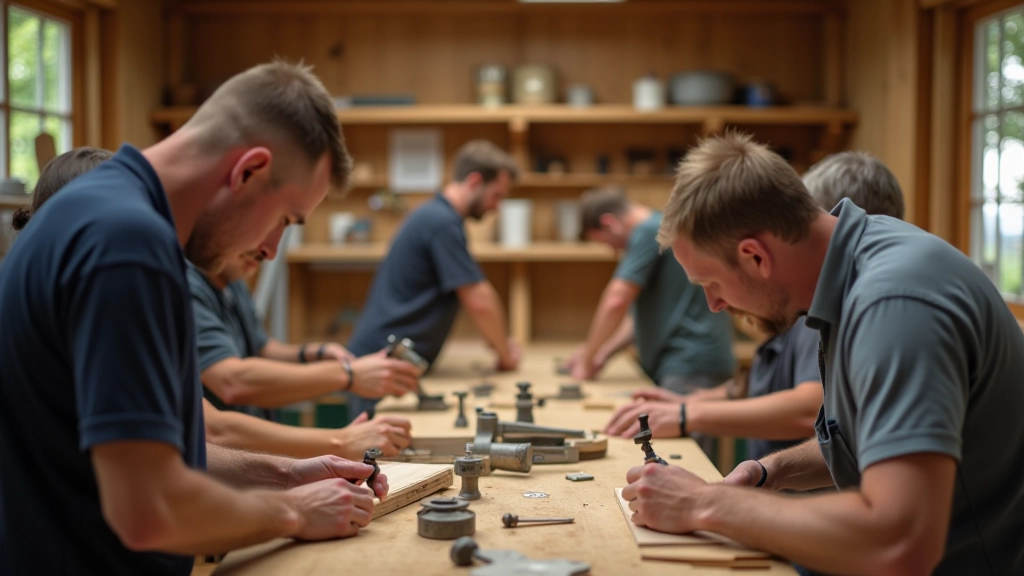
Men's Shed workshop interior with several people working at benches, tools on walls, natural light from large windows, collaborative atmosphere

Finding Your Local Men's Shed: Community & Learning

What Men's Sheds actually offer, how to find one near you, and why the community aspect matters. These spaces provide tools, mentorship, and genuine friendships alongside woodworking skills.

9 min read All Levels April 2026

More Than Just a Workshop

If you've been thinking about getting serious with woodworking but don't have space or tools at home, a Men's Shed might be exactly what you're looking for. It's not just about having access to a workshop — though that's certainly part of it. These community spaces have become genuine hubs where people learn, build, and genuinely enjoy spending time together.

The thing about Men's Sheds is they're welcoming in a way that feels different from traditional clubs or gyms. You'll find retired engineers working alongside teenagers learning their first joints. Experienced woodworkers share techniques with complete beginners. There's no gatekeeping, no pressure to be "good enough" before you walk through the door.

What You'll Actually Find

  • Real tools: chisels, saws, planes, sanders
  • Experienced mentors happy to show you how
  • Regular open sessions, usually 2-4 times weekly
  • Cost rarely exceeds £50-100 per year membership
  • A mix of people: all ages, all skill levels

Finding One Near You

The good news: there are hundreds of Men's Sheds across the UK now. The Men's Shed Association keeps an updated directory, and it's surprisingly comprehensive. Search by postcode and you'll likely find several options within reasonable distance.

Most sheds are in converted warehouses, church halls, or community centres. They're not fancy — think concrete floors, workbenches worn smooth from years of use, tools hung carefully on walls. It's authentic and honest. When you visit for your first time, don't expect glossy orientation materials. You'll probably just meet someone who'll show you around, introduce you to whoever's working that day, and answer your questions honestly.

The process is straightforward. You'll fill out a simple membership form, pay a small annual fee, and you're in. Most sheds ask you to attend an induction session — not to weed people out, but to make sure you understand basic safety with the tools and know where everything is.

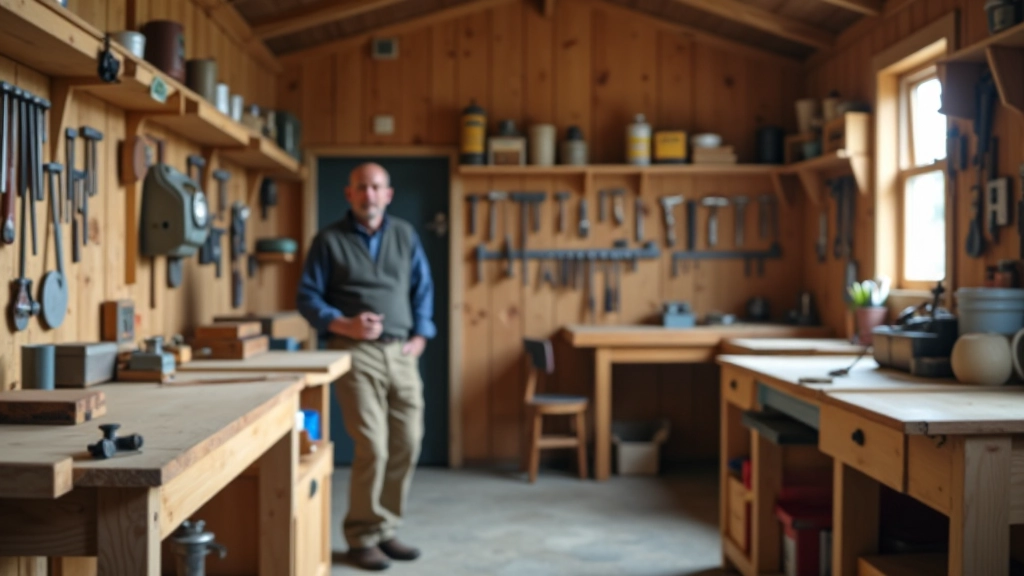
Interior of a men's shed workshop with wooden workbenches, hand tools hanging on pegboards, natural lighting, organized storage shelves with materials
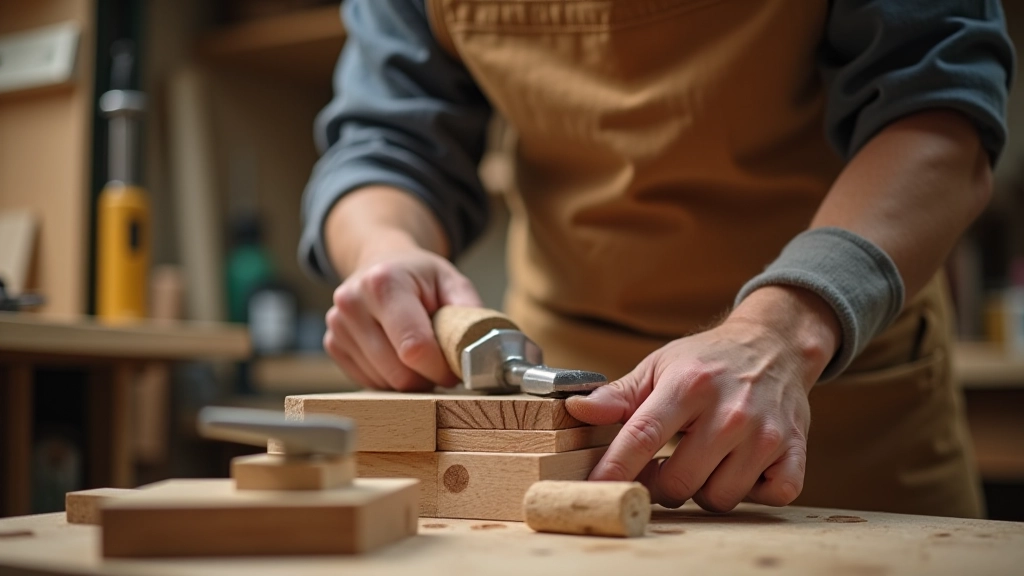
Experienced craftsman demonstrating hand tool technique to a younger person at wooden workbench, both focused on the work, natural lighting, mentorship in action

Learning Without Pressure

Here's what sets Men's Sheds apart from formal classes: there's no curriculum, no grades, no "you're doing it wrong." Instead, you've got experienced people who genuinely enjoy sharing what they know. You'll pick things up by watching, by asking, by doing projects that interest you.

Someone's building a birdhouse? You'll naturally learn about wood selection and basic joinery by helping. Another person's tackling a bookshelf? You'll see different approaches, different solutions. This organic learning style actually sticks better than classroom instruction — you're learning things in context, with real projects you care about.

Most sheds have a few experienced woodworkers who've taken on informal mentor roles. They're not paid. They're just there because they love it. They'll show you how to sharpen a chisel properly, explain grain direction, or help you troubleshoot why your joint isn't fitting. This kind of one-on-one attention would cost you serious money in formal training.

Important Safety Note

Men's Sheds are informal learning environments. While most have strong safety practices and experienced members, they're not regulated training facilities. Always wear appropriate protective equipment, pay attention during inductions, and don't hesitate to ask for help if you're unsure about using any tool. Your safety is your responsibility — take it seriously.

The Community Part Matters More Than You'd Think

Here's something nobody tells you about Men's Sheds: the social side becomes just as important as the woodworking. You'll end up having regular conversations with the same people. You'll learn about their projects, their techniques, their lives. Genuine friendships form — the kind that extend beyond the workshop.

For people who've retired, changed jobs, or moved to a new area, this matters enormously. You're getting a real community where you belong. People remember your name. They ask how your shelf project turned out. They'll help you troubleshoot a joint without you having to ask. It's not forced — it's natural.

Most sheds organize social events too. Some have annual woodworking competitions. Others arrange group trips to timber suppliers or museums. A few have workshops where established makers share specific skills — dovetails, turning, finishing techniques. These aren't mandatory. You attend if something interests you.

Group of workshop members gathered around a completed wooden project, examining craftsmanship together, smiling and engaged, community atmosphere, natural lighting

Practical Things to Know

Finding Your Shed

Start with the Men's Shed Association website — they've got a directory you can search by location. Call or email a few options. Most are genuinely happy to have new members. Visit before committing. See if the vibe matches what you're looking for.

What to Bring First Time

Just yourself, really. Most sheds provide everything — tools, materials for learning projects, safety gear. Bring a notebook if you like taking notes. Wear clothes you don't mind getting dusty. Closed-toe shoes are essential. That's genuinely it.

Typical Sessions

Most sheds open 2-4 evenings per week plus Saturday mornings. Sessions usually run 2-4 hours. You can drop in — no need to book. Some people come every week, others once a month. It's flexible and completely up to you.

Cost Reality

Annual membership typically runs £40-100. Some ask for small fees for materials if you're taking a specific workshop. That's genuinely good value — you're getting access to thousands of pounds worth of tools and experienced instruction.

Getting Started

If you've been curious about woodworking but hesitated because you don't have space or tools — or because you're not sure where to start — a Men's Shed removes those barriers completely. You'll get access to real tools, genuine mentorship, and a community of people who share your interests. The fact that it costs almost nothing is just a bonus.

The hardest part is honestly just showing up that first time. You might feel like you don't belong or like everyone else knows what they're doing. That feeling passes quickly once you meet people. They were all beginners once. They remember what that's like. They'll make space for you at the workbench, show you how things work, and genuinely be happy you're there.

Search for Men's Sheds in your area this week. Send an email or make a call. Visit one on an open evening. See if it feels right. We're confident you'll find exactly what you're looking for — and probably make some good friends in the process.

Michael Thornbury

Michael Thornbury

Senior Woodworking Editor

Furniture maker and woodworking educator with 16 years' experience running Men's Shed workshops and teaching traditional hand tool techniques across the UK.