
Hand Tools Every Beginner Actually Needs
Skip the overwhelming tool catalogues. Here's what you'll realistically use in your first year, how to choose quality tools on a budget, and how to care for them properly.
Why Tool Selection Matters
Walking into a tool shop for the first time can feel overwhelming. There are hundreds of options, countless brands, and everyone's got an opinion on what you "need." But here's the thing — most beginners don't need much.
Quality matters more than quantity. A few genuinely good hand tools will teach you more and last longer than a drawer full of cheap ones. We're talking about tools that'll still be useful after your first shelf, your first box, your first real project.
This guide focuses on what you'll actually reach for. Not the specialty stuff. Not the "nice to have" extras. Just the essentials that'll get you started with traditional hand tool woodworking.
The Core Toolkit
- 5-7 chisels in various widths
- A quality hand plane (start with one)
- Saw for crosscutting and ripping
- Hammer and mallet
- Measuring and marking tools
- Clamping solutions
- Basic maintenance supplies
Chisels: Your Most-Used Tool
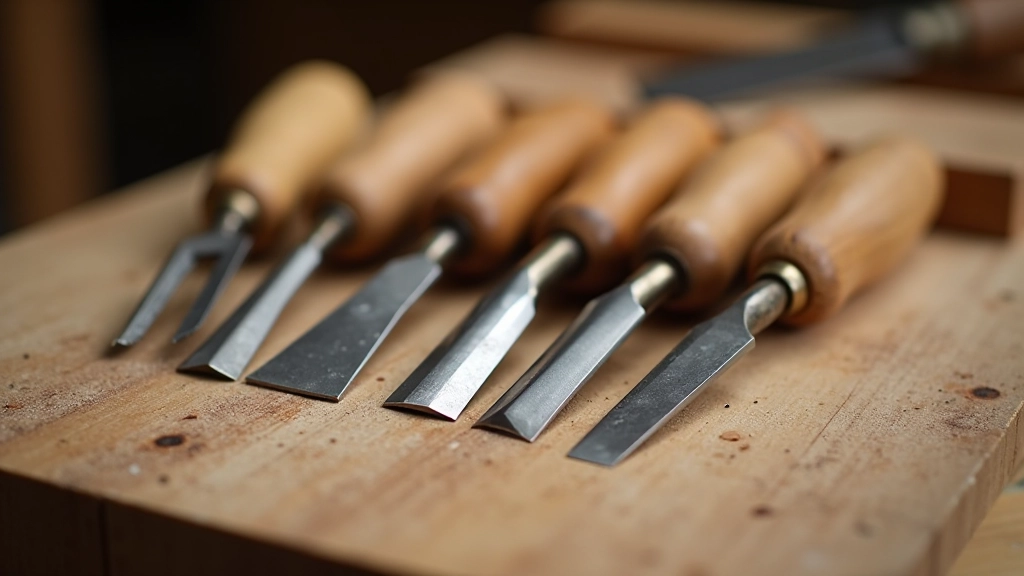
You'll use chisels constantly. Paring joints, cleaning mortises, fine shaping — chisels do real work. Don't buy a complete set of twelve. Instead, start with 4-6 chisels in widths you'll actually use: 6mm, 12mm, 18mm, and 25mm. These cover most beginner tasks.
What makes a good chisel? A sharp edge, obviously. But also a properly designed handle that won't split when you tap it with a mallet, and a blade that holds an edge without constant resharpening. Brands like Lie-Nielsen and Ashley Iles are genuinely good. If your budget's tighter, Narex chisels offer solid quality for less money.
The most common beginner mistake? Buying cheap chisels then never sharpening them. A dull chisel is dangerous and frustrating. A sharp 15-pound chisel will outperform a dull 50-pound one every time. Plan to spend £80-150 on a basic set of four quality chisels. You'll use them for years.
Saws: Crosscut and Rip
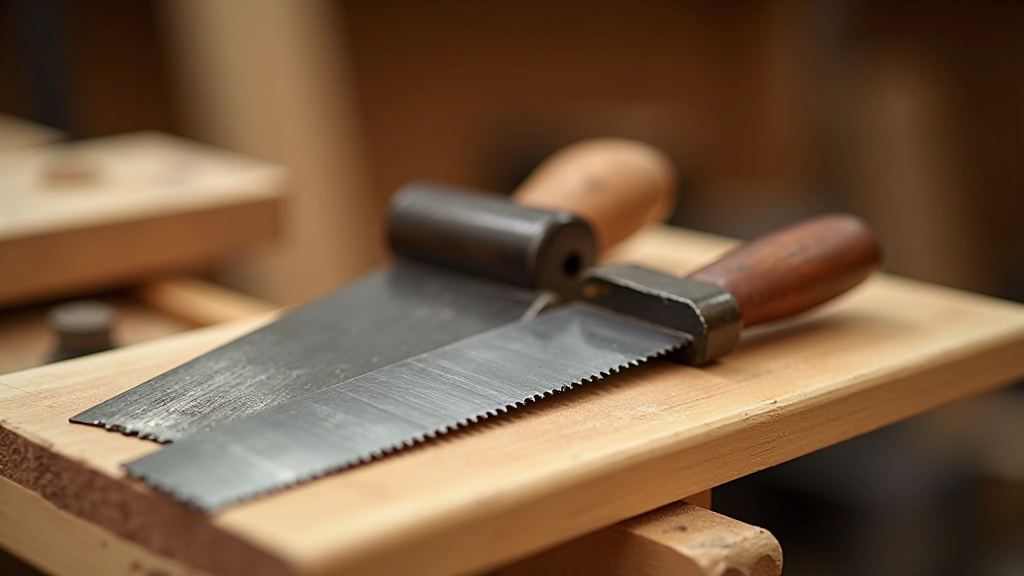
You need at least two saws. A crosscut saw for cutting across the grain, and a ripsaw for cutting along the grain. These cut differently, and using the right saw makes a massive difference.
Japanese pull saws are brilliant for beginners. They're cheaper than quality Western saws, they cut cleanly, and they require less force. A basic Japanese crosscut saw (around 265mm) costs £20-40 and will serve you well. If you want a Western-style saw, look for something with 10-12 teeth per inch for crosscutting.
Many beginners also find a coping saw useful early on. It's great for curves and detail work. One decent coping saw around £15-25 gives you options beyond straight cuts. You don't need expensive — functional matters more at this stage.
Planes: Start With One Good One
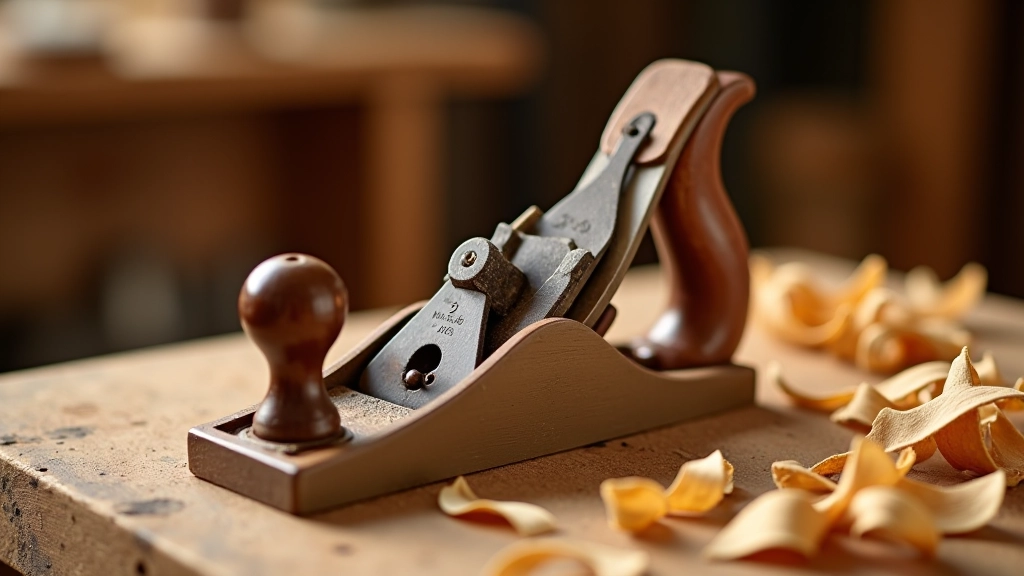
Don't buy a plane set. Seriously. Start with a single quality plane — a No. 4 or No. 5 bench plane. These are versatile enough for most work: flattening boards, shooting edges straight, smoothing surfaces.
A decent used plane costs £30-60 and teaches you proper technique. New planes from quality makers run £150+, which is worth it if you're committed. The key is that the sole is flat, the blade seats properly, and you can adjust it smoothly. A wonky plane teaches bad habits.
Sharpness applies here too. A sharp plane iron removes gossamer-thin shavings. A dull one tears grain and requires forcing. Spend time learning to sharpen your plane blade properly — it's a skill that pays dividends across all your hand tool work.
The Supporting Cast
Beyond chisels, saws, and planes, you'll need a few other essentials to actually get work done.
Hammers and Mallets
A 16oz claw hammer for general work, a wooden mallet for chisels. Don't cheap out here — a proper mallet absorbs shock and won't split. Around £30-50 for both.
Measuring Tools
A metal tape measure, combination square, and marking gauge. These are accuracy tools. Quality matters because mistakes compound. Budget £40-60 for good ones.
Clamps
You can't have too many clamps. Start with two bar clamps and two quick-clamps. They hold work while you shape and join it. Essential for most projects.
Marking and Layout
A pencil, marking knife, and bevel gauge for layout. Sharp pencils matter for accuracy. A marking knife scores wood cleanly for precise cuts.
Sharpening Supplies
Whetstones or a sharpening system. Dull tools are useless. Budget £50-100 for decent stones and learn proper technique early.
Workbench and Vise
A sturdy workbench with a vise holds your work securely. You can build a simple one for £100-200, or use existing tables with clamp-on vises.
Educational Note
This article provides general information about woodworking hand tools for educational purposes. Tool selection depends on your specific projects, budget, and personal preferences. Always follow proper safety practices when using any woodworking tools, wear appropriate safety equipment, and consider taking an in-person workshop or course from experienced instructors. Your local Men's Shed or woodworking club can provide hands-on guidance tailored to your needs.
Tool Care: They'll Outlast You
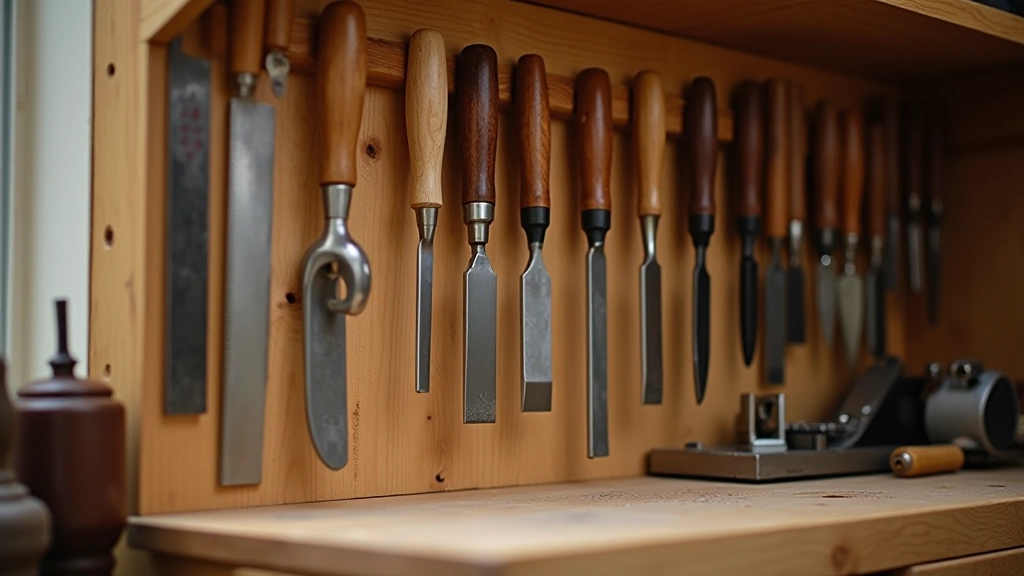
Good tools need basic maintenance. Nothing complicated, just consistency. Wipe your chisels and plane blades clean after use. A light coat of oil on metal surfaces prevents rust. Keep tools dry and stored properly.
Sharpening is maintenance, not repair. Regular sharpening keeps your tools performing at their best. Many beginners wait until tools are dull as butter before sharpening, then wonder why woodworking feels like work. Sharp tools are a pleasure to use.
Join a Men's Shed or local woodworking group. You'll find people who've maintained quality tools for decades. They'll teach you proper care, show you their techniques, and you'll learn more in one session than reading about it alone.
Building Your Kit on a Budget
You don't need to spend hundreds to start. Here's a realistic breakdown of what you'll actually spend on a functional beginner's toolkit.
Chisels (4-6 quality)
£80-150
Saws (2-3 saws)
£40-100
Hand Plane
£40-100
Hammers & Mallets
£30-50
Measuring Tools
£30-60
Clamps (4-6)
£40-80
Sharpening Supplies
£50-100
Realistic Total
£310-640
You can start smaller. Even £200-300 buys you a functioning kit. The key is quality over quantity. One good chisel beats five cheap ones. As you progress and discover what you actually use, you'll add specialized tools.
Getting Started
Don't overthink this. You won't buy everything at once, and that's fine. Start with chisels and a saw. Make something. See what you actually need. Then add the next tool.
The best part about hand tools? They improve with use. They teach you proper technique. They slow you down enough to think about what you're doing. And unlike power tools, they're quiet, safe, and don't require electricity.
Visit your local Men's Shed or woodworking club. Handle tools before you buy them. Talk to experienced makers about what they actually use. You'll learn more in an afternoon with real people than from any guide.
Sharp tools, proper technique, and time. That's all you need to start making things you're proud of.