
Hand Tools Every Beginner Actually Needs
Skip the overwhelming tool catalogues. Here's what you'll realistically use in your first year of woodworking, and why each tool matters.
Understand the characteristics of the woods you'll encounter most often. Learn how grain direction affects your cuts and why some woods are better for certain projects.
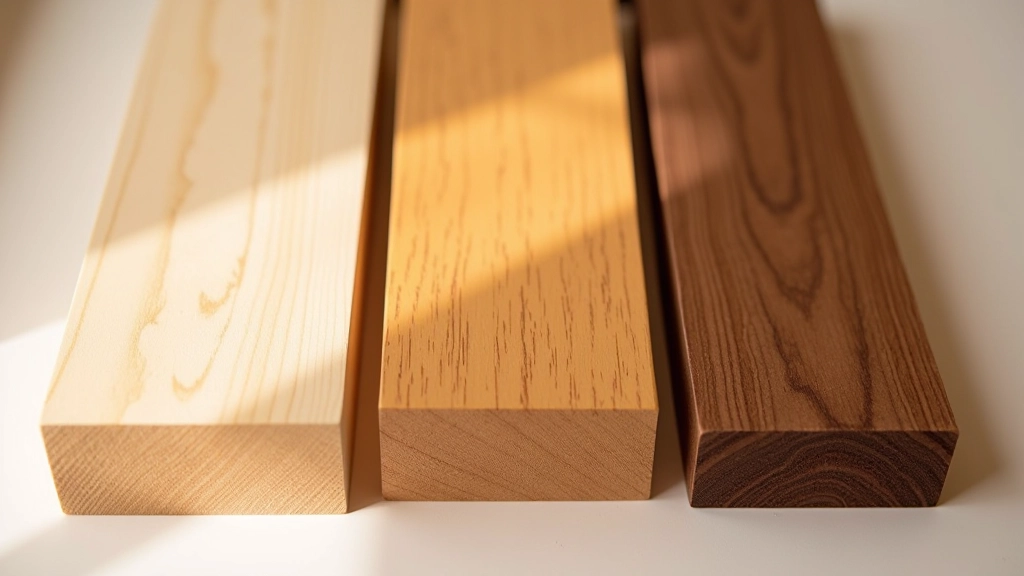
When you're starting out in woodworking, it's tempting to grab whatever timber's available. But here's the thing — the wood you choose fundamentally changes how your project will behave, look, and wear over time. Oak, ash, and walnut are the three hardwoods you'll see most often in UK workshops, and they're genuinely different beasts.
We're not talking about minor variations. Oak's dense grain will blunt your tools faster than walnut. Ash flexes in ways oak won't. Walnut finishes to a depth that'll make your eyes water. Understanding these differences means better cuts, fewer surprises, and projects you're actually proud of.
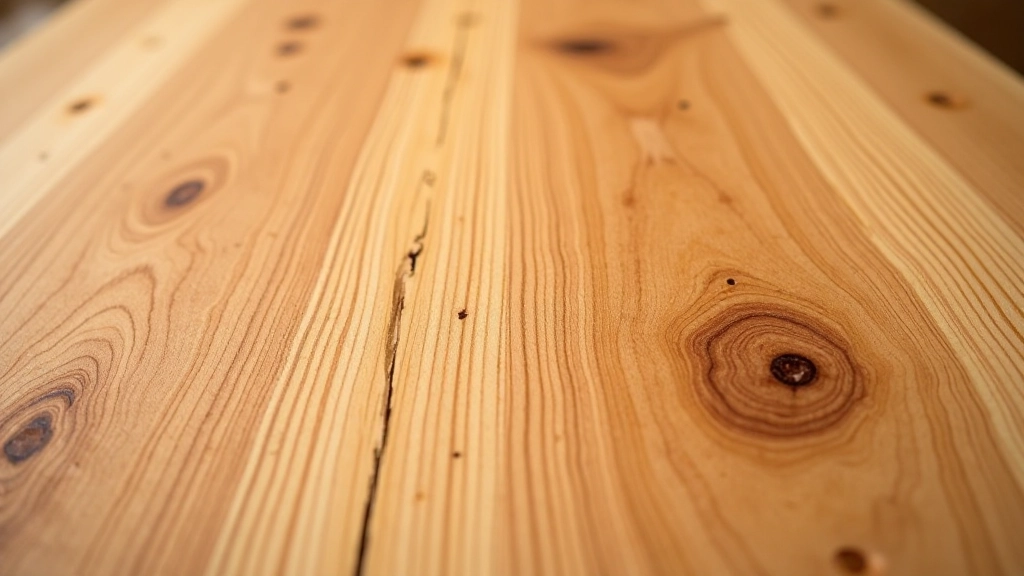
Oak's been the backbone of British woodworking for centuries. Medieval timber frames, cathedral beams, furniture that lasts 300 years — it's all oak. You'll recognize it instantly. The grain's bold and prominent, often with those distinctive ray flecks running perpendicular to the growth rings.
But here's what beginners need to know: oak's dense. Really dense. Your hand tools will work harder, your chisels will need sharpening more frequently, and power tools will labour through it. The upside? It's forgiving. You can make mistakes and the wood's strength means the piece survives.
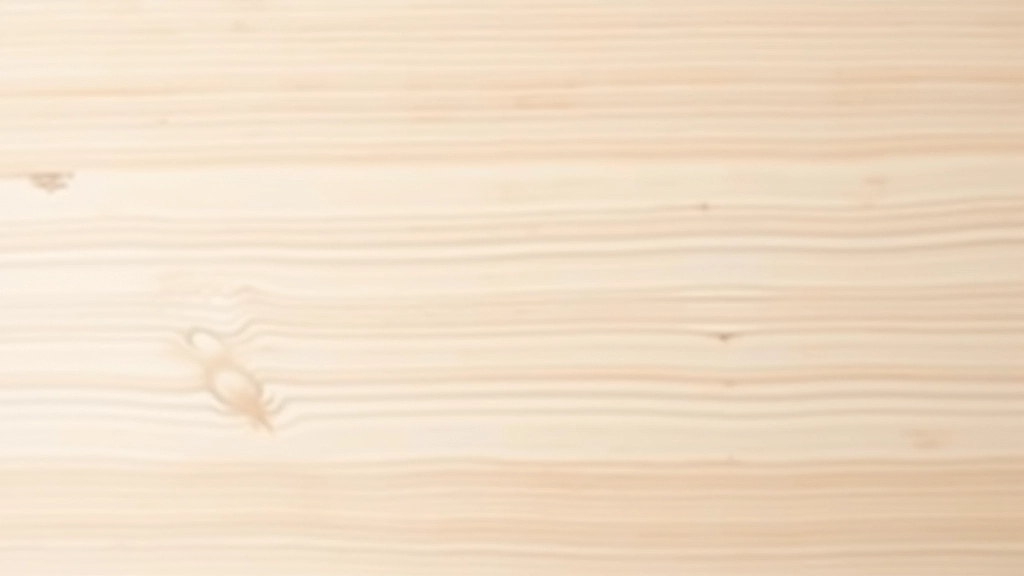
Ash is what you reach for when you need something that can flex without snapping. It's stronger than oak relative to its weight, which is why tool handles, sports equipment, and chair legs are traditionally ash. The grain's fine and straight, making it a pleasure to plane and chisel.
Colour-wise, ash is pale. Nearly white when freshly cut, it'll age to a soft cream. This makes it brilliant for projects where you want a lighter aesthetic or where you're planning natural finishes. The downside? It's not as decay-resistant as oak. If your piece will see moisture or sit outside, oak's the safer bet.
Why Ash Feels Different: It's not the density that matters — it's the elasticity. You can bend steamed ash without it cracking. You can sand it smooth because the grain's even. You can hand-tool it without your arms screaming.
The characteristics described here represent typical properties of these species. Individual boards will vary based on growing conditions, storage, and age. Always test finishes and techniques on scrap wood first. Wood species can have regional variations, and some samples may have defects not visible until machining begins.
Walnut's expensive. It's also worth every penny if you understand what you're getting. The colour alone sets it apart — deep chocolate brown with purple undertones that develop over time. One look at a walnut board and you know you're making something special.
The real magic is in how it finishes. Walnut takes oil like nothing else. You'll sand to 220 grit, apply linseed oil, and suddenly the grain depth becomes three-dimensional. The wood seems to glow from within. It's genuinely remarkable. But — and this is crucial — walnut's softer than oak or ash. It dents and scratches more easily. Perfect for display pieces and furniture that'll be handled carefully. Less ideal for kitchen tables where you're actually living with it.
With walnut's price, you can't afford waste. Look for straight grain, minimal knots, and uniform colour.
Walnut can tear out. Sharp blades and shallow passes prevent this. You're not fighting the wood like with oak.
Stop at 220 grit. Over-sanding clogs the grain and prevents oil absorption. The finish depends on this.
Walnut sings with oil finishes. Polyurethane dulls the colour. Several coats of boiled linseed oil is the traditional approach.
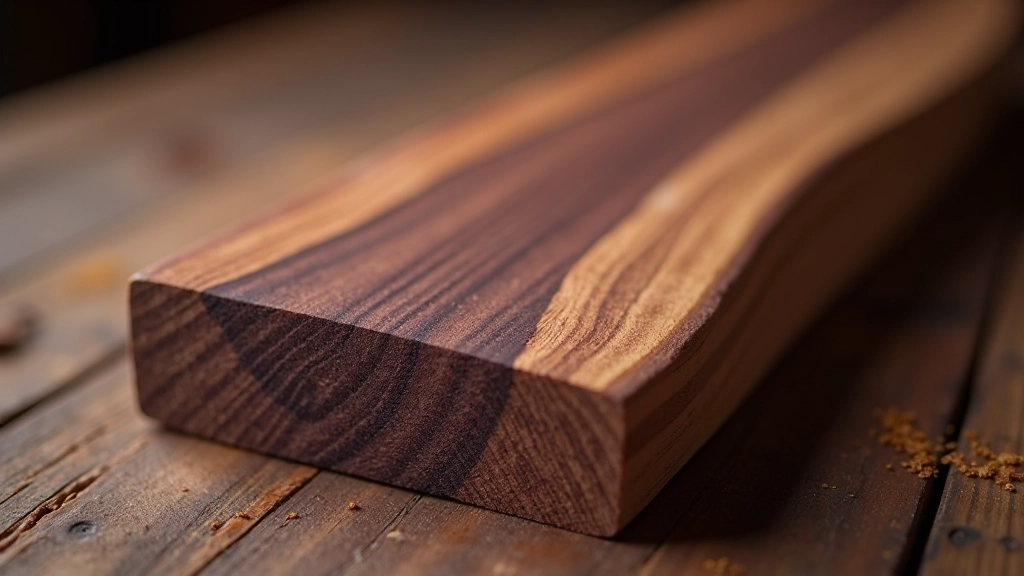
Use Oak . It's forgiving. Mistakes don't ruin it. You'll sharpen your chisels more often, but that's valuable practice. Oak teaches you proper technique because the wood demands it.
Use Ash . Tables, shelves, anything that needs to survive daily use. Ash won't dent as easily as walnut, and it's more stable than oak in varying humidity. The lighter colour works in modern spaces.
Use Walnut . When you've got the skills and the budget, walnut is where you go. A walnut jewelry box or display cabinet will turn heads. Just protect it from hard knocks.
Here's something that'll change how you approach every project. Grain direction isn't just visual — it determines whether your chisel glides or catches and tears. All three of these woods will show you immediately when you're working against the grain.
Look at the edge of a board. See those lines running across it? That's your grain direction. When you plane or chisel, you want to move in the direction those lines are rising. Move the wrong way and they'll lift up like a door opening. The wood tears. You're frustrated. Everyone's frustrated.
Oak's coarse grain makes this obvious. You'll see immediately if you've got it wrong. Ash's finer grain can be trickier — it'll still tear, just less dramatically. Walnut splits along the grain readily if you're not careful. The solution? Always plane or chisel from the end grain toward the edge grain. Test your direction on scrap first. Once you develop this habit, your results improve dramatically.
Start with oak. You'll learn on something that tolerates mistakes. Once you're comfortable with hand planes and chisels, move to ash — it's where you'll discover how satisfying properly-tooled wood can be. Save walnut for when you've got a project you genuinely want to show people.
The three woods aren't just different colours. They're different experiences. Each one teaches you something. Oak teaches respect for technique. Ash teaches the pleasure of sharp tools. Walnut teaches patience and restraint. You'll use all three lessons across whatever projects come next.